
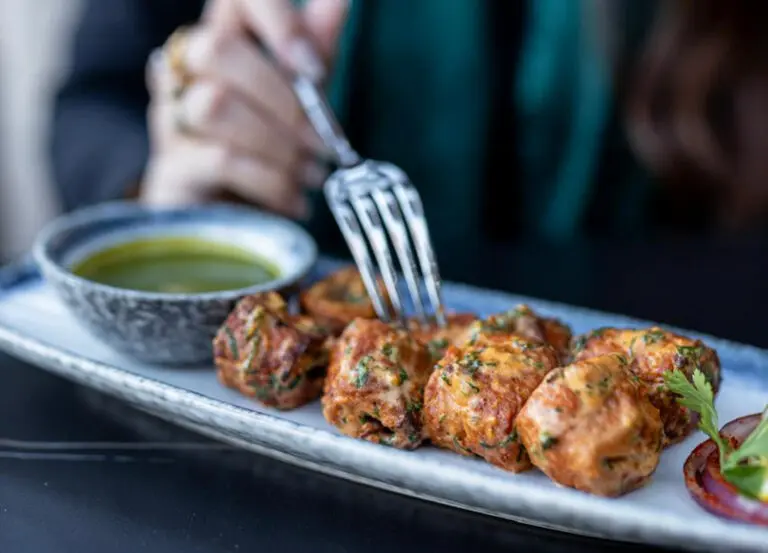
Many Dubai diners want real Indian flavor without the post-lunch slump. If you’re searching for healthy Indian food in Dubai, this guide shows you how to build light, satisfying meals under 500 calories—at home or when dining out at Korma Sutra. You’ll find practical options, simple science, and tips you can use today.
Our approach is straightforward: focus on low-calorie Indian dishes built around legumes, lean tandoor proteins, vegetables, and controlled carb portions.
We’ll also explain dal nutrition facts, the steamed rice benefits that matter, and where to find light lunch options Dubai professionals can rely on.
What “Under 500 Calories” Looks Like in Indian Lunches
A light lunch starts with the plate’s structure: protein or legumes for fullness, vegetables for volume, and a modest portion of smart carbs. When these three are in balance, staying under 500 calories becomes easy and sustainable.
For example, one cooked cup of lentils—a common dal base—provides about 230 calories, ~18 g protein, and ~15–16 g fiber; that’s highly filling per calorie.
A standard cup of cooked white rice is about 205 calories with very low fat and sodium (≈ 1.6 mg), so a ½ cup portion (~100–120 calories) fits well beside dal or lean tandoori protein. These anchor numbers guide the portions throughout this article.
Cooking Methods That Keep Lunches Light
How you cook matters as much as what you choose. Dry-heat techniques like tandoor/grilling and moist-heat steaming reduce added fats and often preserve delicate nutrients better than long boiling.
Peer-reviewed work reports that extended boiling can sharply reduce water-soluble vitamins (notably vitamin C), while gentler methods like steaming or quick microwave cooking tend to retain more.
For our purposes, steaming rice or vegetables is a simple, reliable way to keep calories and sodium low while protecting nutrients.
Suggested Reading: Indian Dinner Ideas for Family: Healthy and Light Dinner Guide
Steamed Rice Benefits (and How to Portion It)
Steamed rice is naturally low in fat and sodium, which helps keep lunch “clean.” The key is portion control—think ½ cup when you’re pairing rice with dal, chickpeas, or tandoor proteins.
USDA-linked data show cooked white rice delivers ~205 calories per cup with ~1.6 mg sodium, far less than typical fried versions (often >500 mg sodium per cup). Choose steamed rice, season with herbs and lemon, and keep the serving small to stay well under 500 calories.
Why Basmati Often Works Better at Lunch
Basmati’s long grains and starch structure contribute to a lower glycemic index than many other white rices when eaten in modest portions. This can mean steadier energy during a busy afternoon.
A published study of Indian branded basmati rice reported GI <55 (low-GI range). In practice, pair a ½ cup serving with protein and vegetables to smooth the glycemic impact and keep total calories down.
Dal Nutrition Facts: The Case for Legumes at Midday
Dal offers a rare combination: high fiber, solid plant protein, minerals, and comfort—all at modest calories. It’s also flexible, working with or without grains.
Per cup, cooked lentils land near 230 calories with ~18 g protein and ~15–16 g fiber; these numbers explain why many diners feel satisfied on fewer calories. Public-health sources also highlight legumes’ cardiometabolic benefits when used in balanced diets.
Build-Your-Own Under-500 Lunch (Reliable Templates)
Start with one of the templates below and adjust portions to your appetite. Each option begins with a brief explanation, then estimated totals using standard nutrition references; restaurant recipes vary.
1) Classic Comfort: Dal + Steamed Basmati + Kachumber
This is the most forgiving framework for flavor and fullness. The dal’s fiber and protein do the heavy lifting while a ½ cup rice portion keeps energy steady. Estimates: Dal (1 cup) ~230 kcal; steamed basmati (½ cup) ~100–120 kcal; kachumber (no oil) ~30–50 kcal → ~360–400 kcal.
2) Tandoori Chicken + Mixed Veg + Yogurt Raita
Tandoor and grill methods keep added fats low compared with creamy gravies. Add steamed or roasted vegetables for volume and a light raita for cooling balance. Estimates: Skinless grilled chicken breast (100 g) ~150–170 kcal; veg (1 cup) ~40–80 kcal; plain yogurt raita (¼ cup) ~30–60 kcal → ~220–310 kcal.
3) Chana Masala Bowl + ½ Cup Steamed Rice
Chickpeas bring protein, fiber, and slow digestion—ideal for a compact work lunch. A small serving of rice gives just enough starch without pushing calories high. Estimates: Chickpeas (1 cup, cooked) ~260–270 kcal; steamed rice (½ cup) ~100–120 kcal → ~360–390 kcal.
4) Paneer Tikka Plate + Veg + Mint Chutney
Grilled paneer (not paneer in cream gravies) provides protein and calcium. Round it out with vegetables and a spoon or two of mint chutney for brightness. Estimates: Grilled paneer (100 g) often ~200–280 kcal depending on fat content; veg (1 cup) ~40–80 kcal; chutney (1–2 Tbsp) ~20–40 kcal → ~260–400+ kcal. (Totals vary with paneer style.)
5) Dal + Whole-Wheat Roti + Side Veg
Prefer bread to rice at lunch? A single whole-wheat roti plus dal remains a light, fiber-rich combination that travels well. Estimates: Dal (¾–1 cup) ~170–230 kcal; roti (1 piece, 43 g) ~129 kcal; steamed veg (½–1 cup) ~25–50 kcal → ~325–410 kcal.
6) Fish Tikka + Lemon + Cucumber-Tomato Salad
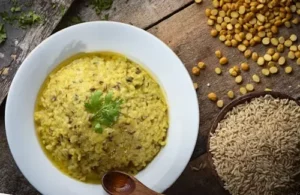
Fish tikka is naturally lean and quick to eat. Keep it bright with lemon and a crunchy salad so the plate feels generous without excess calories. Estimates: Grilled white fish (120–150 g) commonly ~160–250 kcal; salad ~30–50 kcal → ~190–300 kcal. (Cut and marinate drive variation.)
Smart Ordering Tips (So You Stay Under 500)
These small moves have the biggest payoff at restaurants. Use them together for a reliable calorie margin.
Ask for tandoor/grill preparations instead of cream-based gravies. Tandoori methods keep added fats modest; pairing with vegetables or a small starch keeps the whole meal light. When choosing starch, default to ½ cup steamed rice or one whole-wheat roti (≈129 kcal), and load up on vegetables. Fried rice versions can drive up sodium and calories substantially compared with steamed rice.
Enjoy Light Lunch Options With Korma Sutra
If you’re after light lunch options in Dubai, Korma Sutra in Al Barsha promotes a Business Lunch @ 49 AED (Monday–Friday), making portion control simple and affordable. Ask the team for dal-forward plates, tandoori proteins, steamed rice by the ½ cup, and extra salad to keep your target under 500.
A One-Week Lunch Rotation You Can Repeat
Use this five-day plan as a starting point. Each day begins with a sentence on why the combo works; then we give an estimated range based on standard references.
Monday—Dal + ½ Cup Steamed Basmati + Kachumber: Protein and fiber dominate, with rice kept to a supportive role. ~360–400 kcal.
Tuesday—Tandoori Chicken (120 g) + Grilled Veg + Lemon: Dry-heat cooking plus vegetables offers a high-protein, low-fat plate. ~250–320 kcal.
Wednesday—Chana Masala (1 cup) + ½ Cup Rice: Chickpeas deliver plant protein and fiber; the small rice serving supports satiety. ~360–390 kcal.
Thursday—Paneer Tikka (100 g) + Mixed Greens + Mint: Choose grilled paneer and watch chutney portions for a light, satisfying lunch. ~200–350 kcal.
Friday—Yellow Moong Dal (1 cup) + 1 Whole-Wheat Roti + Raita (¼ cup): Balanced starch and protein with a cooling side to round things out. ~330–420 kcal.
Suggested Reading: How to Make Healthy Choices at Fast Food Restaurants?
Quick Myth-Busters (So Your Lunch Stays On-Track)
A few common beliefs can derail smart ordering. These clarifications keep your decisions grounded in data.
“Rice is always ‘bad.’” Not when portioned. Steamed rice at ½ cup is a neutral base with very low sodium; fried versions can add oil and significant sodium per cup.
“Dal won’t fill me up.” Dal’s protein + fiber combo is exactly why many eaters feel satisfied on fewer calories—~18 g protein and ~15–16 g fiber per cooked cup.
“Steamed vegetables are pointless.” Long boiling can heavily deplete vitamin C, while steaming or microwaving typically preserves more water-soluble nutrients.
Conclusion: Lighter Doesn’t Mean Less Flavor
Eating healthy Indian food in Dubai at lunch is not about sacrifice; it’s about structure. Anchor your plate with dal or lean tandoor protein, keep starch to ½ cup rice or one roti, and fill the rest with vegetables. That pattern brings flavor, energy, and consistency—day after day.
Ready to try it in Al Barsha? Visit Korma Sutra for a smart, tasty lunch. Write to info@ksdxb.com, call +971 58 509 7219, or contact us for guidance on low-calorie Indian dishes that fit your needs.


